







Better Control, Better Comfort on Every Walk
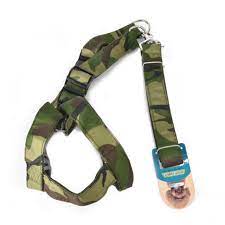
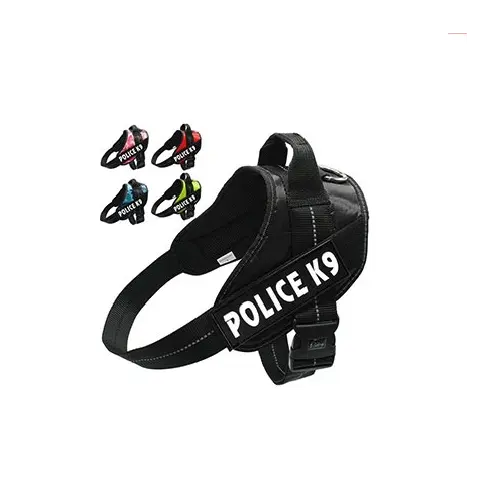
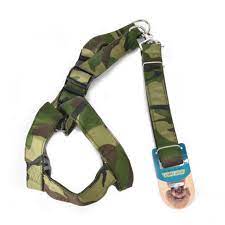
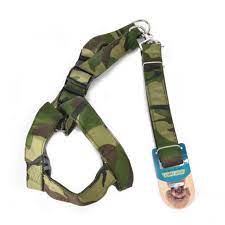
For dogs that pull during walks — which includes a significant proportion of dogs — a collar concentrates leash tension directly against the trachea and cervical vertebrae. Over time, particularly in dogs with strong pulling habits, this repeated neck pressure can contribute to tracheal damage, cervical disc issues, and elevated intraocular pressure. A properly fitted dog harness distributes leash tension across the chest, sternum, and shoulder girdle — anatomically far better suited to absorbing the forces involved.
Beyond the physiological benefits, a harness provides significantly more body contact points than a collar, translating to improved directional control for the owner. This is particularly valuable with larger, stronger breeds where collar-only control can become physically demanding and inconsistent.
No-Pull Dog Harness — Redirecting Without Force
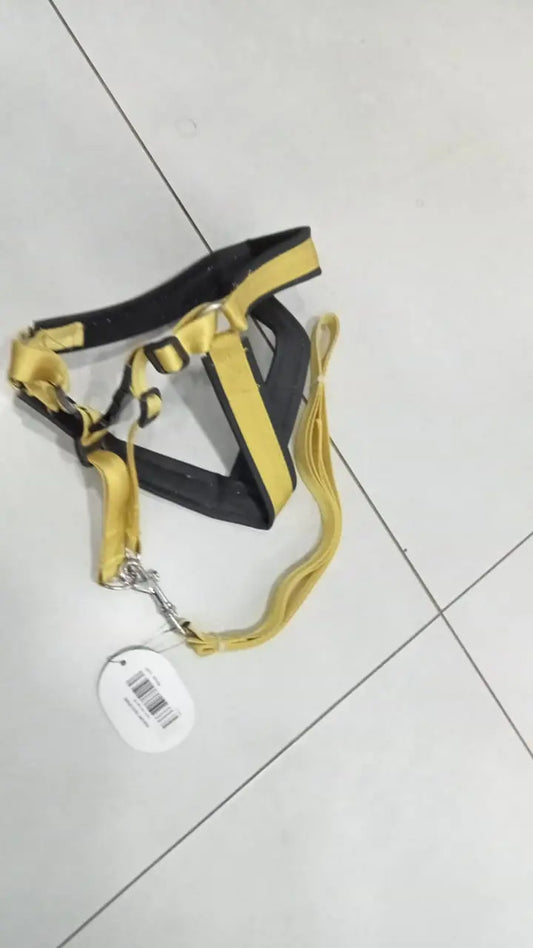
The no-pull dog harness design incorporates a front-clip leash attachment point at the chest rather than the standard back-clip configuration. When a front-clipped dog pulls forward, the leash angle redirects the dog’s forward momentum laterally toward the owner rather than allowing straight-ahead pull. This mechanical redirection gently discourages pulling without collar corrections or physical restraint.
The result, used consistently, is a progressive reduction in pulling behaviour — particularly effective when combined with positive reinforcement training that rewards loose-leash walking.
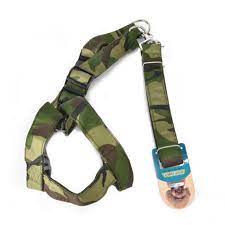
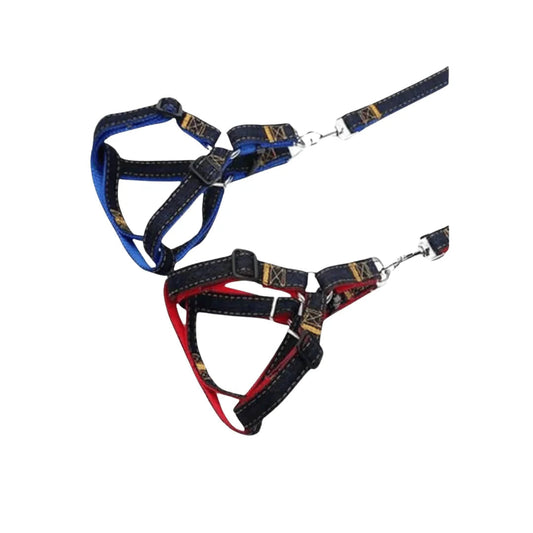
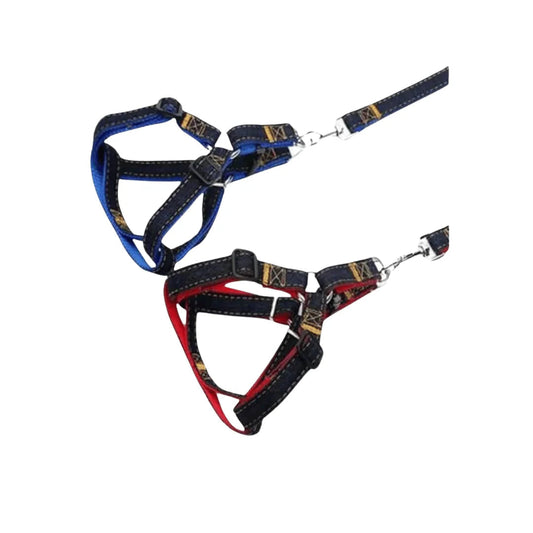
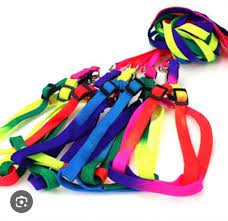
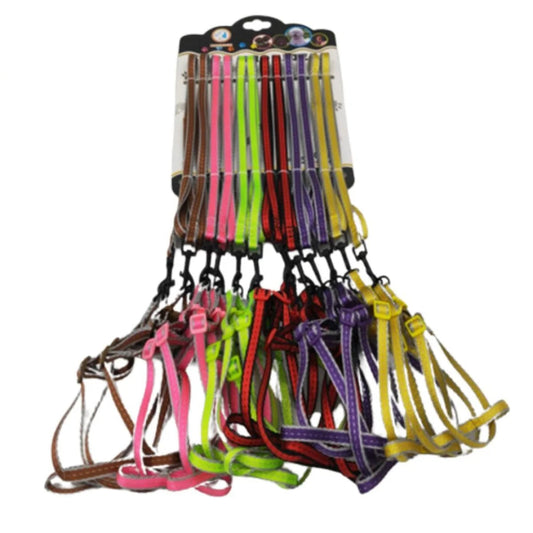
Healthy Tails carries harness options across size ranges from small companion breeds to large working dogs, with adjustable girth and chest strap measurements for a proper fit. The right fit makes the harness effective; the wrong fit creates pressure points that defeat its purpose.