

Redirecting Natural Behavior Constructively
Scratching is not misbehavior — it is one of the most fundamental, deeply wired behaviors in feline biology. Cats scratch to shed worn outer claw sheaths, to stretch the full length of the muscles running from their forelimbs through the shoulders and spine, and to deposit pheromone-containing secretions from interdigital glands as territorial communication.
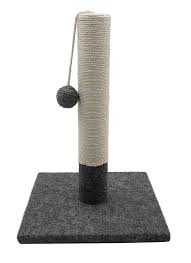
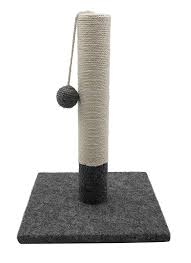
Attempting to eliminate scratching entirely is both ineffective and contrary to feline welfare. The need is hardwired — it will find expression somewhere. The only productive approach is appropriate redirection: providing a dedicated cat scratching post that meets all the physical requirements of the behavior, making it more appealing than the furniture alternatives.
What Makes a Scratching Post Actually Work
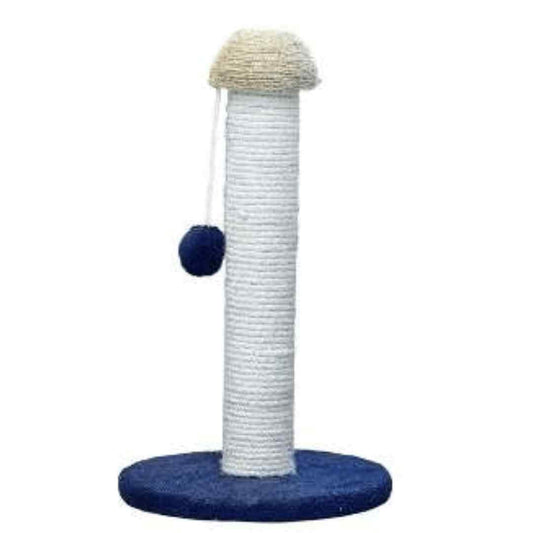
Effective scratching posts share key characteristics: sufficient height to allow full extension while scratching, stable base construction that does not wobble under pressure, appropriate texture — sisal rope is most widely preferred because its coarseness provides satisfying drag resistance — and correct orientation matching the cat’s preferred scratching style.
Cat Tree Scratching Pole — Enrichment and Exercise Combined
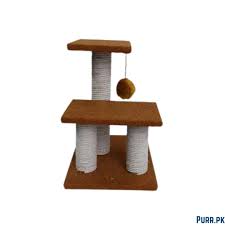
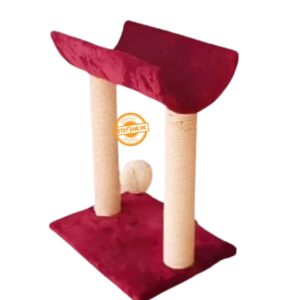
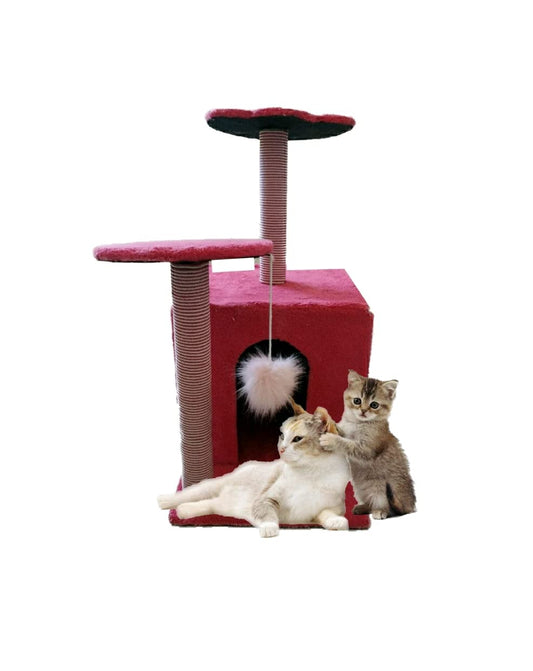
The cat tree scratching pole extends the concept of a single scratching post into a complete enrichment structure. Multiple vertical sisal scratching surfaces. Elevated platforms at varying heights for perching and observing. Enclosed tunnel or hammock elements that satisfy the denning instinct. Hanging toy attachments for solo play.
For indoor cats in apartments across Pakistan, where vertical territory is the primary form of territorial enrichment available, a cat tree addresses multiple welfare needs simultaneously.
Healthy Tails stocks cat trees and standalone posts across height options and structural formats suited to varied living environments — from compact designs for smaller apartments to larger multi-level structures for homes with more space.